How to Build a Custom AR-15 Rifle for Home Defense on a Budget of $800 for Spring 2026
How to Build a Custom AR-15 Rifle for Home Defense on a Budget of $800 for Spring 2026
In today’s world, self-reliance and preparedness aren’t just buzzwords—they’re a mindset rooted in discipline, skill, and the right gear. For veterans and responsible gun owners alike, building a reliable, precision-tuned AR-15 for home defense can be a game changer. But with a budget of $800, many assume customization is out of reach. I'm here to tell you otherwise. A strategic approach, focusing on quality components and tactical insights, can get you a dependable build without breaking the bank.
Whether you’re sharpening your skills, reinforcing your defensive setup, or simply embracing a lifestyle of personal responsibility, this guide will walk you through a proven process to assemble a capable, reliable AR-15 that aligns with your budget. Let’s get tactical and make your home defense setup both effective and economical.
Table of Contents
Understanding Your Needs and Budget Planning
Before diving into parts and assembly, it’s essential to clarify what you want your AR-15 to accomplish. For home defense, you need a rifle that's reliable, easy to maneuver in confined spaces, and capable of delivering accurate shots quickly. Don't fall into the trap of over-specializing; focus on core functionality.
At an $800 budget, prioritize core components—upper and lower receivers, barrel, and trigger group—while reserving some funds for quality accessories like sights and grips. Planning your budget carefully ensures you won't be caught short when it’s time to pick up key parts. Remember, a well-chosen mid-tier part often beats a cheap component in performance and longevity.
Choosing the Right Parts — A Breakdown
Here’s a practical rundown of critical components for your build within the budget:
- Lower Receiver: A processed, stripped lower (federally legal as a firearm part) offers durability and compatibility. Look for reputable brands like Aero Precision or Palmetto State Armory.
- Upper Receiver: Match your lower; many options are affordable and reliable—Opt for billet or forged uppers based on your preference.
- Barrel: A 16" chrome-lined or nitride barrel balances durability and accuracy; available from PSA, Windham, or Ballistic Advantage.
- Trigger Group: Mil-spec triggers offer consistency; consider upgrading later, but for now, a standard trigger suffices.
- Stock and Buffer Tube: Magpul MOE stocks provide durability and comfort without breaking the bank.
- Sights: Flip-up sights or budget red dots (like Bushnell or Holosun) improve target acquisition in defensive scenarios.
Assembling Your AR-15 — Step-by-Step
Assembly isn’t as intimidating as it looks. With basic tools (armorer's wrench, punch set, screwdriver), you can put together your rifle in a couple of hours. Follow these core steps:
- Prepare Your Workspace: Clear a large, clean surface with good lighting and organize parts.
- Install the Lower Receiver: Attach the trigger group, magazine catch, and stock, ensuring everything is properly guided and secured.
- Assemble the Upper: Install the barrel, gas system, handguard, and sights, aligning everything with precision.
- Combine Upper and Lower: Push the pins through, ensuring the latch is secure and the rifle cycles properly.
Test fit and function-check at every stage. Don't skip safety checks; an improperly assembled rifle can be dangerous and unreliable. Watching a few YouTube tutorials from veterans or armorers can boost your confidence and clarify tricky steps.
Optimization and Accessories for Home Defense
Once assembled, consider the tactical edge. A reliable light on your rifle is critical for identifying threats in low-light conditions. Budget-conscious options from SureFire or Streamlight can fit within your remaining budget.
Install an adjustable stock or a low-profile grip to enhance comfort and control during rapid engagement. Magazines should be quality and compatible—FALLOUT or Magpul PMAGs are trusted choices for reliability and durability. If space allows, add a red dot sight; it improves target acquisition and reduces fatigue in stressful situations.
Maintaining Your Rifle for Reliability
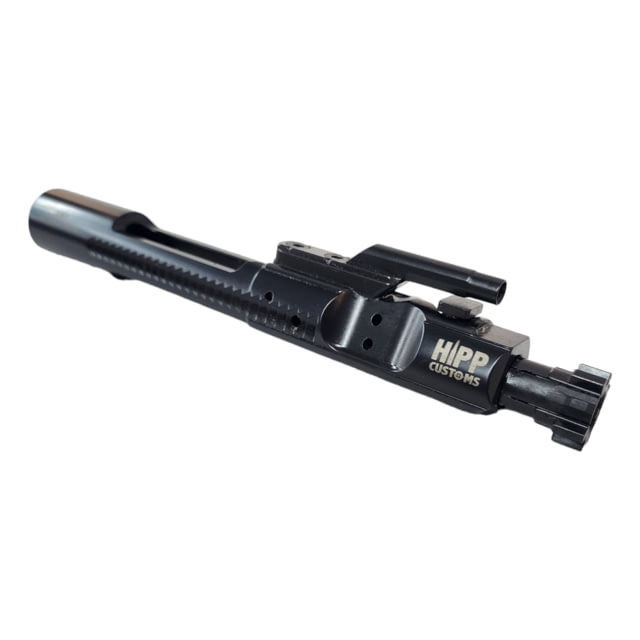
Every functioning firearm requires regular maintenance. After each training session or use, clean your AR-15 with quality oil and brushes. Pay close attention to the bolt carrier group and chamber where carbon buildup occurs.
Use lubricants recommended for firearms, and avoid over-lubricating. Routine inspections for loose pins, worn parts, or corrosion will prolong your rifle’s lifespan and ensure it functions flawlessly when needed most. Remember, a well-maintained rifle underpins your veteran mindset—discipline and readiness are key.
Final Tips: Training and Mindset
Building your rifle is only part of the equation. To genuinely embody the veteran mindset, invest time in training. Dry-fire practice, stress inoculation drills, and scenario-based training sessions prepare you for real-world encounters. Embrace discipline, patience, and continuous learning.
Always remember: confidence comes from competence, not just gear. Regular training, mental resilience, and a solid understanding of your equipment elevate your personal safety and tactical effectiveness. Your AR-15 is a tool—trust in your training to master its use.
Frequently Asked Questions
Can I legally build my own AR-15?
Yes, in most states, building your own AR-15 from parts is legal as long as you comply with federal and local regulations. Ensure you're familiar with your state's gun laws before starting.
How much should I spend on a quality barrel?
A good barrel for home defense within your budget is around $150–200. Chromium-lined or nitride barrels from reputable manufacturers will last longer and maintain accuracy.
Is a red dot sight worth it for home defense?
Absolutely. A red dot allows quick target acquisition in stressful situations, especially in low light. Budget models like Holosun are reliable and affordable.
What is the best way to practice with my new AR-15?
Start with dry fire drills and move to controlled live-fire exercises at a range. Focus on precision, trigger control, and malfunction clearing to build muscle memory.
How often should I clean and inspect my rifle?
Clean after every range session or training drill. Conduct thorough inspections monthly or quarterly, especially if stored in humid environments.
Can I upgrade my fixed stock later?
Yes, many stocks are modular. You can upgrade your stock, grip, or sights as your budget allows, improving ergonomics and control over time.
Building your AR-15 within an $800 budget for spring 2026 is achievable with the right planning and disciplined execution. Focus on quality foundational parts, proper assembly, and ongoing training to unlock your full potential as a responsible firearm owner. Remember, the mindset of a veteran is built through preparation, discipline, and continuous growth—on and off the range.
Top Picks for This Topic
As an Amazon Associate we earn from qualifying purchases at no extra cost to you.